Never used to train AI
Your uploads and restored outputs are not part of any training dataset. Human review is limited to safety or support cases you raise.
Nostalgia Family Archive
For Genealogists and Family ArchivistsTree software is for names, dates, and records. Nostalgia is for the photos those names are attached to. Restore damaged prints without changing the likeness, keep AI captions and tags on every image so context survives the generation that knew it, and share privately with the relatives who need them — while your tree stays exactly where it lives.
Free tier covers 10 restores a month. No credit card. Web is live today; iPhone is on the App Store, and Android remains in closed testing.
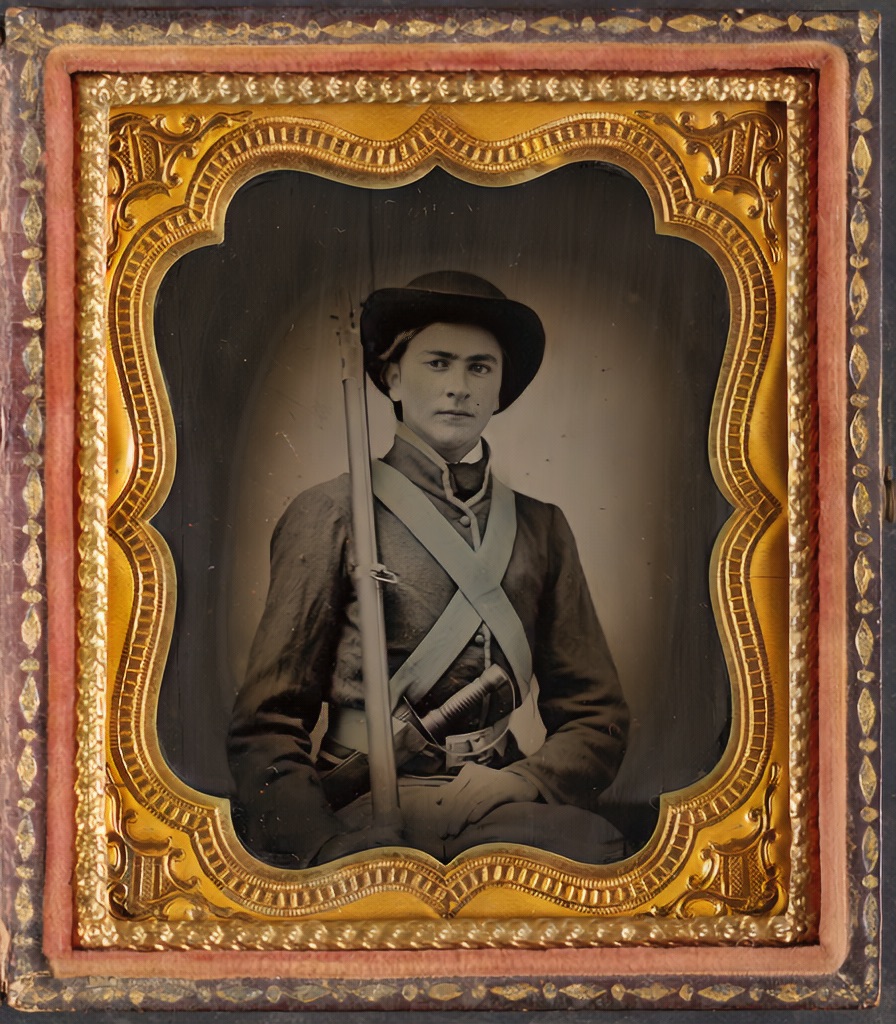 Restored
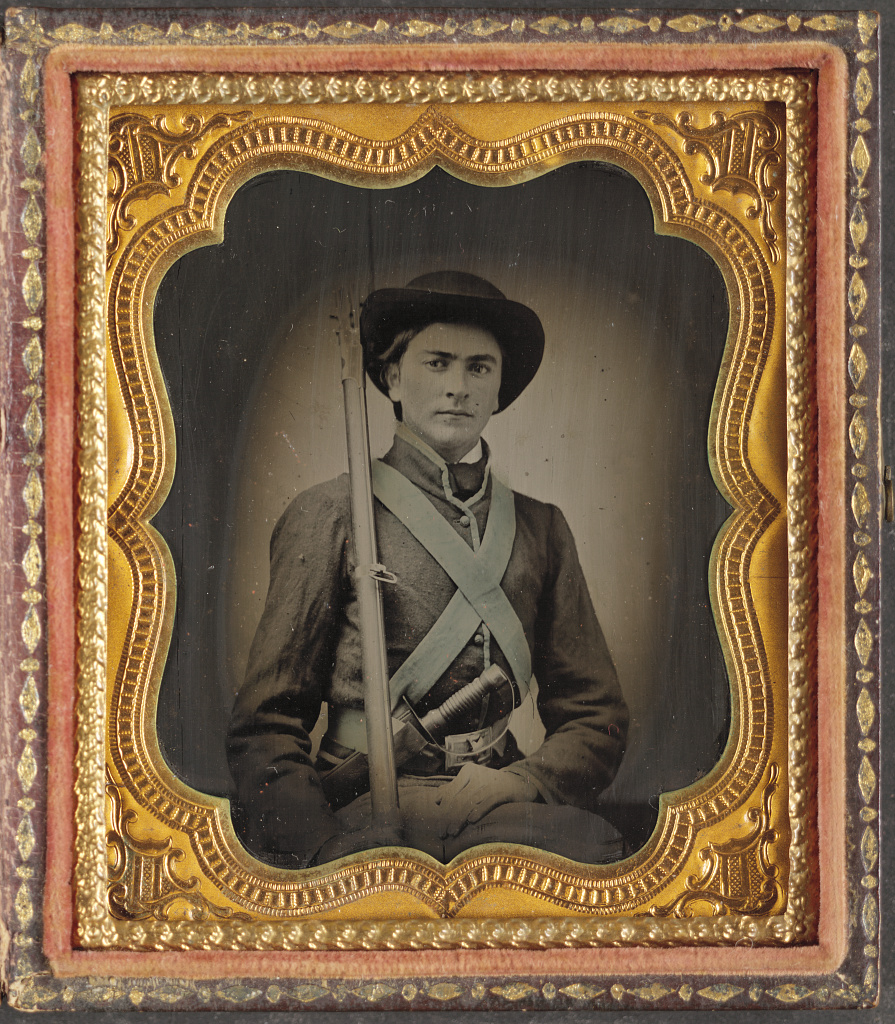 Original
Repair first, keep the archival master, add color only when it helps tell the story.
Ancestry, MyHeritage, and FamilySearch are good at names, records, DNA, and relationships. Nostalgia is for the part of family history most tools skip: the photos themselves.
The result: photos that still look like your ancestors, captions that survive the next generation, and an archive relatives can actually open.
The line between us and your tree software is a feature, not a limitation. Keep using the right tool for each of these:
General-purpose AI enhancers were built for selfies. Pointed at a great-grandmother, they happily smooth her face into someone who isn't quite her. Nostalgia is designed the other way around: repair what's broken, preserve what's real, and keep the likeness that lets you recognize the person on your tree.
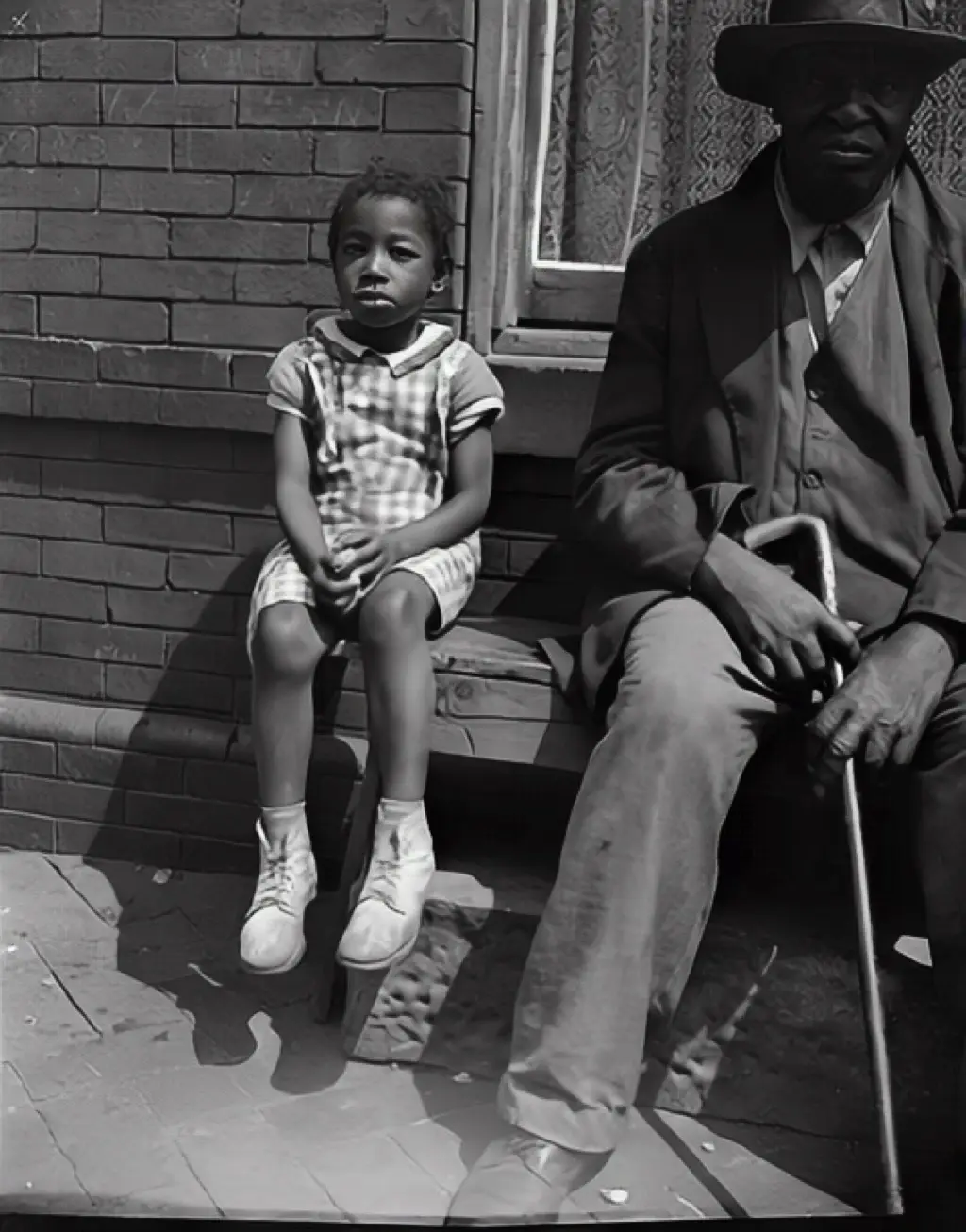 Restored
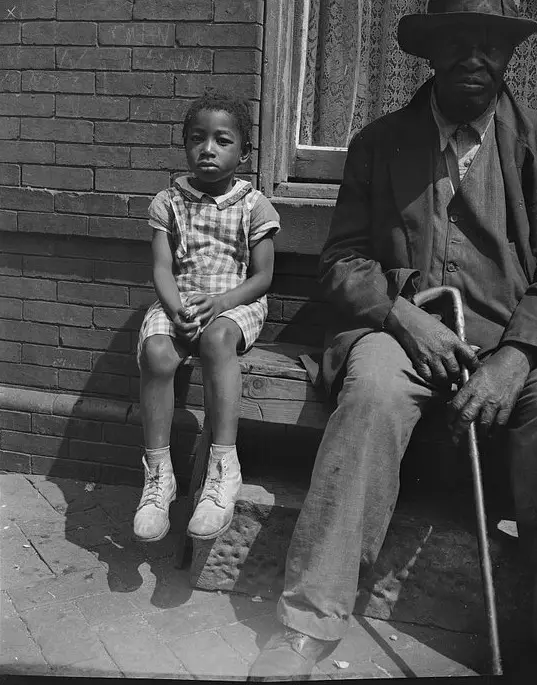 Original
Restored view keeps the original tonality. Colorization is a separate, optional companion view.
Your uploads and restored outputs are not part of any training dataset. Human review is limited to safety or support cases you raise.
Original scans and restored versions stay yours. Export or delete the full archive at any time.
Family Vaults are invite-only. Sharing links are off unless you turn them on, and there is no public profile.
Details in the Privacy Policy and AI Policy.
There is no shortcut to a good archive, but there is a rhythm. This is the workflow most family historians settle into once they have inherited a collection.
Sort the shoebox into priority people, priority events, and everything else. Scan the first two stacks first. A 300–500 print collection becomes a manageable queue in one afternoon.
600 DPI on a flatbed or Google PhotoScan on a phone. Capture the reverse of every print — handwritten names and dates on the back are usually the only surviving identification.
Start with the recommended restore pass. Compare before and after. Accept when the likeness is right. Color is a companion view, not a mandatory final step.
Edit the AI caption with the real names, tag the people you recognize, and add Who, When, Where, What, and Story notes while the details are still warm. Ten years from now, those captions are the archive.
Use Family Vaults — invite-only spaces for cousins, aunts, and siblings. One vault per family branch keeps scope manageable and relatives can contribute missing prints without a social account.
If you try Nostalgia and there's an archive job it doesn't yet help with, tell us directly — that feedback is how we rank what ships next.
Yes. Nostalgia handles the restoration, captioning, organization, and private family sharing side of the job while your formal tree stays in FamilyEcho, Ancestry, MyHeritage, RootsMagic, Family Tree Maker, Gramps, or FamilySearch. Signed-in web users can import GEDCOM, GEDZIP, or FamilyEcho FamilyScript read-only; Nostalgia uses it to organize photos and vaults, not to become a tree editor.
That is the single biggest risk with general-purpose AI enhancers, and it is why Nostalgia starts with a restore-first pipeline that repairs damage before any interpretive step. For ancestor portraits, Photo Insight typically recommends restore first and face enhancement only if needed. A slightly soft portrait that still looks like your ancestor is always better than a crisp portrait of someone who isn't quite them.
They are processed to deliver the restoration you requested and stored in your private library. They are never used to train AI models. You keep ownership of originals and restored versions, and you can export or delete everything at any time.
More answers on the full FAQ.
Web is live and free to start. One portrait, one restore, see whether the likeness holds up.
Restore a Photo FreeBrowse restored examples or read the scanning guide before you spend a credit.